
Full profiles of the speakers joining us at the ‘From Soya to Sustainability’ Conference 2026
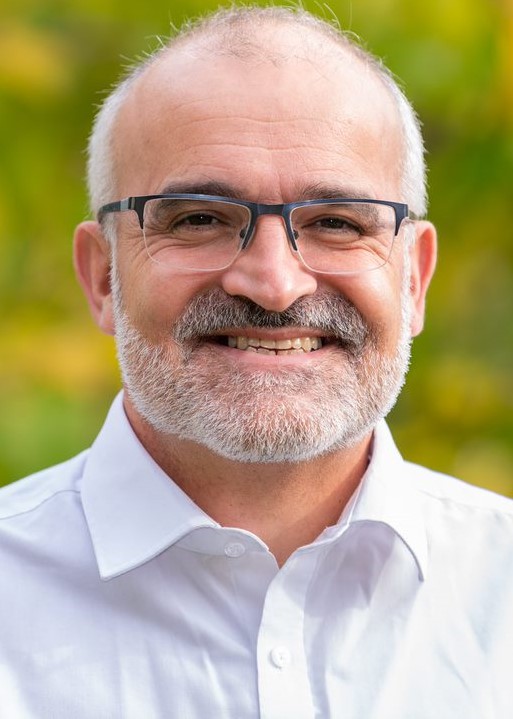
Neil Ward
Professor Neil Ward is a human geographer specialising in agri-food and rural development at the University of East Anglia (UEA).He was UEA’s Deputy Vice Chancellor (2014-21) and Director of Newcastle University’s Centre for Rural Economy (2004-08). He has served as a Cabinet Office advisor on agricultural policy and has appeared before numerous parliamentary select committees. He is author of Net Zero, Food and Farming: Climate Change and the UK Agri-Food System (Routledge, 2023). He co-leads a national research and innovation network on net zero and the UK agri-food system (the AFN Network+) with over 3,000 members.
Nicola Brennan
Nicola Brennan has been supporting the transition to deforestation- and conversion-free (DCF) supply chains for nearly a decade after studying ecology within commercial palm oil plantations during her MSc. Over the past three years, she has led DCF corporate advocacy efforts at WWF UK, working across the international network and national offices in both consumer and producer countries within WWF and in collaboration with partner civil society organizations. With a strong focus on soy, she has been engaging UK’s leading retailers to navigate challenges and identify opportunities for systemic change for our food supply chains, people and nature.


Will Schreiber
Will Schreiber has been the Representative of the Retail Soy Group since 2019 to address a sector-wide gap in the demand for sustainably produced soya. He is also a Founding Director at 3Keel Group Limited where he developed the sustainable commodities business unit. In his career spanning nearly two decades he has advised business, governments and the third sector on sustainability issues while being the key advisor for some of the world’s biggest businesses and financial institutions on building low impact, resilient supply chains and portfolios. In 2017 he launched 3Keel Data Services to support deforestation and sustainable commodity mapping and assessment within indirect downstream supply chains for soy, cocoa and palm oil.
John McArthur
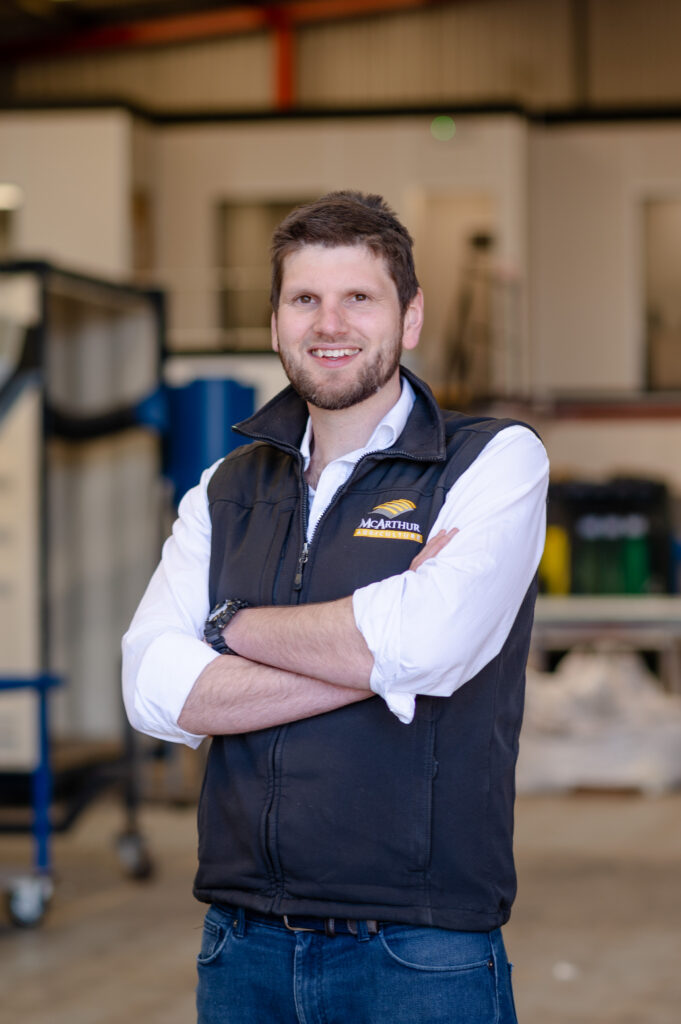
John McArthur is managing director of McArthur BDC. McArthur BDC designs, builds and maintains combinable crop drying, storage and processing systems for farmers and commercial processors across Great Britain and Ireland. The company’s purpose it to enable businesses to add value to crops making their businesses more profitable, sustainable and resilient. Enabling the substitution of imported soya bean meal with processed homegrown beans is one way in which McArthur BDC helps improve our food system by reducing emissions, increasing food security and increasing diversity in arable rotations.
John leads work package four of the NCS Project, researching and trialling value adding processes for homegrown legumes and pulses across livestock species. Within the package, McArthur BDC is specifically studying the effect on the nutrient value of decortication and heat treatment of faba beans for both monogastrics and ruminants.

Jos Houdijk
Jos Houdijk grew up in the green heart of Holland on a small mixed-animal farm. He studied Animal Sciences at Wageningen University in the Netherlands, with majors in Parasitology, Animal Nutrition and Feed Technology, which was followed by a PhD at the same university in Animal Nutrition (prebiotics in piglets). He came to Edinburgh to the then SAC in March 1998, initially for two years and not a day longer. However, Jos is still in Edinburgh at what is now known as SRUC where he heads the Monogastric Science Research Centre. This Centre is also responsible for the Allermuir, the SRUC/CIEL poultry research unit for academic and commercial studies from small-scale through to near commercial conditions.
As a professor of Animal Nutrition and Health, Jos has a wide-ranging interest in the nutritional sensitivity of animal production, health, and environmental footprint. This forms the basis for his research and lecturing, which range from the strategic to the applied, addressing research questions in, and teaching topics relevant to, both monogastric and ruminant farm animals but also in laboratory rodents.
Jos has worked on alternative protein sources for many years. He delivered the Defra-LINK project Green Pig, which demonstrated that home grown peas and faba beans can completely replace soya bean meal in nutritionally balanced rations for growing and finishing pigs. This formed the basis for a series of Innovate UK, HGCA and Scottish Government funded studies on alternative protein sources in both pigs and broilers, with the latter accumulating in SRUC’s contribution to the current NCS project.
Brian Kenyon
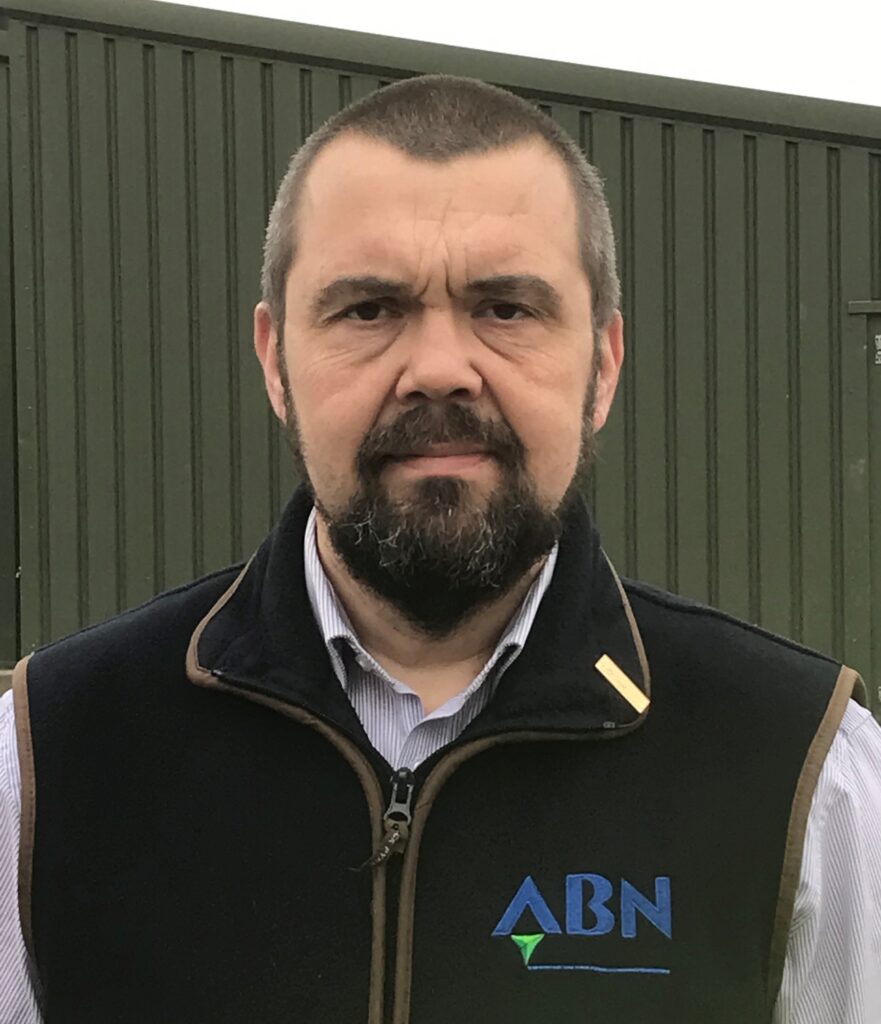
Brian Kenyon graduated from Nottingham University in 1995 with an honours degree in Animal Science, specialising in animal nutrition. He began his career at Cherry Valley Farms in a Technical and Nutrition Development role, where he spent two decades advancing through responsibilities that spanned breeding, hatching, and growing operations for their commercial duck business. His expertise also extended to providing nutritional support for both commercial and genetic duck breeding programs.
In 2016, Brian joined ABN, the UK’s largest independent monogastric feed manufacturer, as part of their poultry nutrition team. His role focuses on product development and delivering nutritional technical support to the UK poultry industry.
As Senior Poultry Nutritionist Brian works across all aspects of commercial poultry nutrition, partnering closely with producers to deliver safe, sustainable, high-quality, and cost-effective solutions tailored to their operations.
Karen Campbell
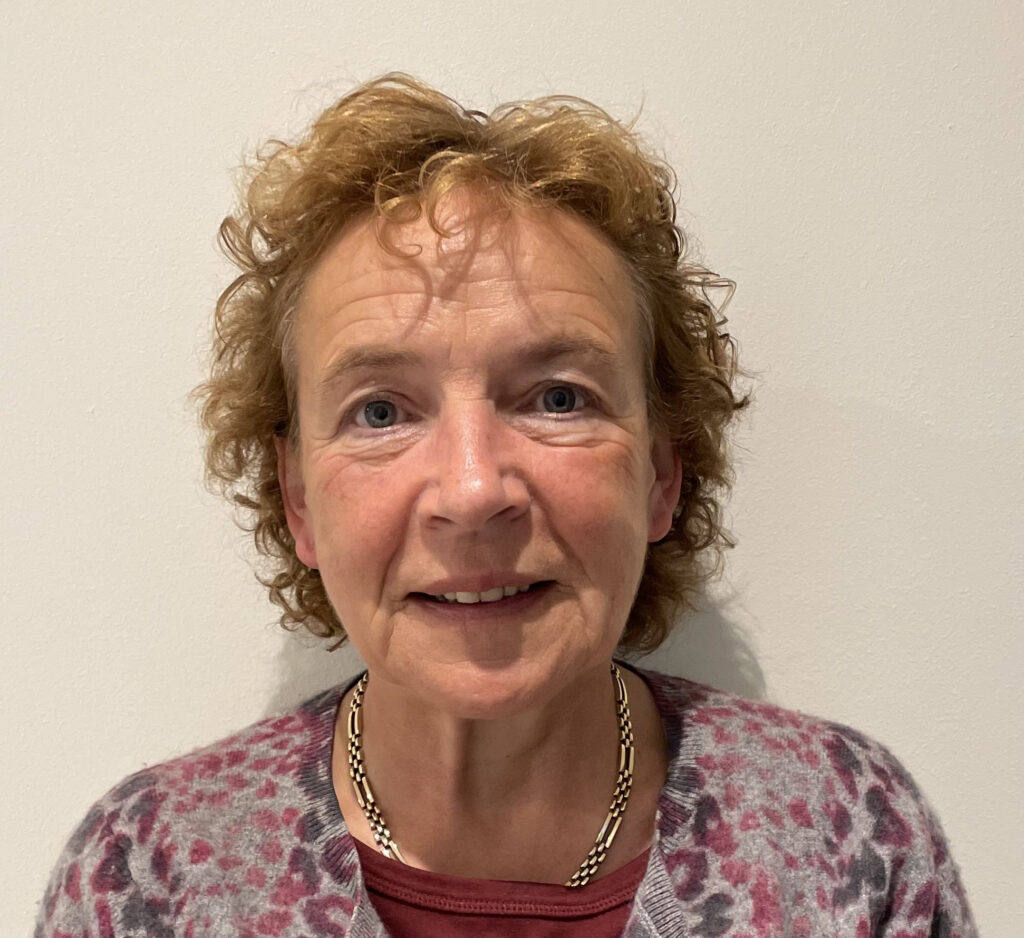
Karen Campbell is director in her family’s farming business Glenrath Farms in the Scottish Borders, where over 15,000 acres are managed alongside 10,000 sheep, 600 beef cows, 2 million laying hens, and a growing portfolio of environmental projects. The business is supported by nearly 200 colleagues, and Karen’s experience across agriculture is broad, diverse, and continually evolving.
At Glenrath Farms, her day-to-day responsibilities include direct engagement with major UK retailers on agricultural matters, supporting policy development, delivering outcome measures for consumers, and working closely with regulators and policy influencers. Within the family business, she mentors and supports the third generation of the Campbell family. As a director, her central responsibility is shaping the strategic direction of the business and determining how its long-term aims are achieved.
Her professional career began as a primary school teacher before she moved into the grocery sector, where she introduced initiatives such as Sunday opening, phone-and-collect services, and home delivery. During this period, she also developed a small property portfolio. Alongside her commercial career, she has been active in local politics and previously served as an elected member of Scottish Borders Council.
Today, as a woman in agriculture, Karen’s work is varied, fast-moving, and deeply rewarding – from hosting global agricultural visitors on farm tours to contributing practical insight to policy discussions and engaging with the many assessors who review farming operations.
She currently serves as Chair of the Nuffield Poultry Group and holds directorships with the British Free Range Egg Producers Association (BFREPA), the National Egg and Marketing Association, the Central Egg Association and the National Farmers Union of Scotland Poultry Working Group. She is also an executive member of the World Egg Organisation.
James Webster-Rusk
James Webster-Rusk is Senior Agribusiness Analyst with The Andersons Centre, having joined in October 2021. Since joining Andersons, he has had a key role in determining the impact of complex policy and economic issues on UK agriculture. In particular, he has focused on the impact of inflation and the new Environmental Land Management Scheme.
James also has a keen interest in the environmental implications for agriculture and opportunities in carbon markets; In Autumn 2022 he co-authored Tackling Greenhouse Gas Emissions on Grazing Livestock Farms, a white paper produced by Andersons.
James joined Andersons from the Agriculture and Horticulture Development Board (AHDB) where he spent five years analysing market developments in arable crops. James grew up on a small arable farm in Suffolk.
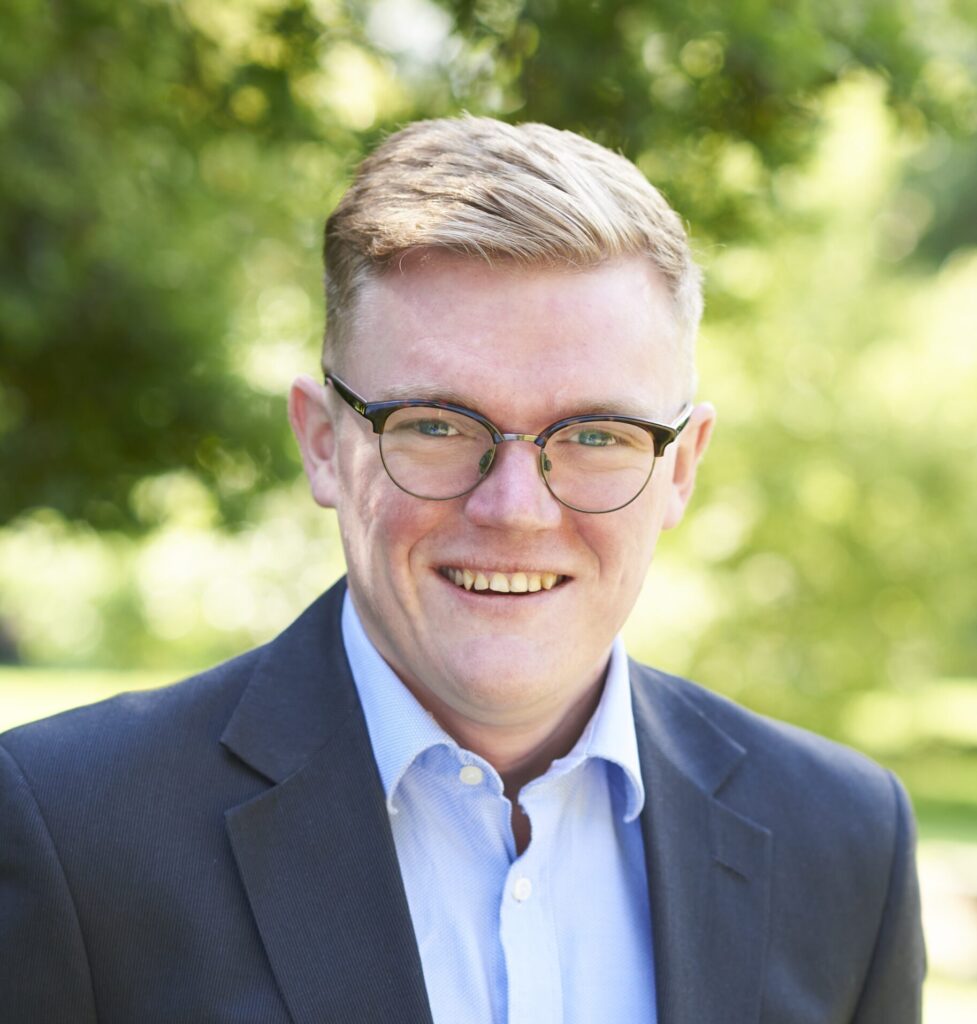

Tom Allen-Stevens
Tom Allen-Stevens is an Oxfordshire arable farmer, award-winning journalist and founder of the British On-Farm Innovation Network (BOFIN) which is an NCS Project partner. BOFIN leads the work package responsible for community building and knowledge exchange including building awareness and membership of Pulse-PEP and its resources and sharing project updates and insight with farmers and the wider industry. Tom is also a Pulse Pioneer farmer himself, aiming to evaluate the value of beans in his rotation.
Liz Bowles
Liz Bowles is the Chief Executive of the Farm Carbon Toolkit (FCT), taking this role on in 2022. She is an expert in greenhouse gas auditing and carbon removals into farmland with a practical understanding of the voluntary carbon markets. During her time at FCT she has led significant growth in the organisation in response to rapidly growing demand for their expertise.
Prior to joining FCT Liz held a senior role at the Soil Association, leading and managing the Soil Association’s work with farmers throughout the UK, managing the Innovative Farmers Programme and supporting UK organic supply chain development.
Liz has a wealth of experience of agriculture and food with over 30 years’ experience, bringing a practical approach combined with scientific and sector knowledge.
Previous roles have been with English Food and Farming Partnerships and ADAS. Liz is a Nuffield scholar.
In her spare time Liz manages one of the largest pedigree flocks of Shropshire sheep in the UK and combines this with being a Council Member of the Breed Society.
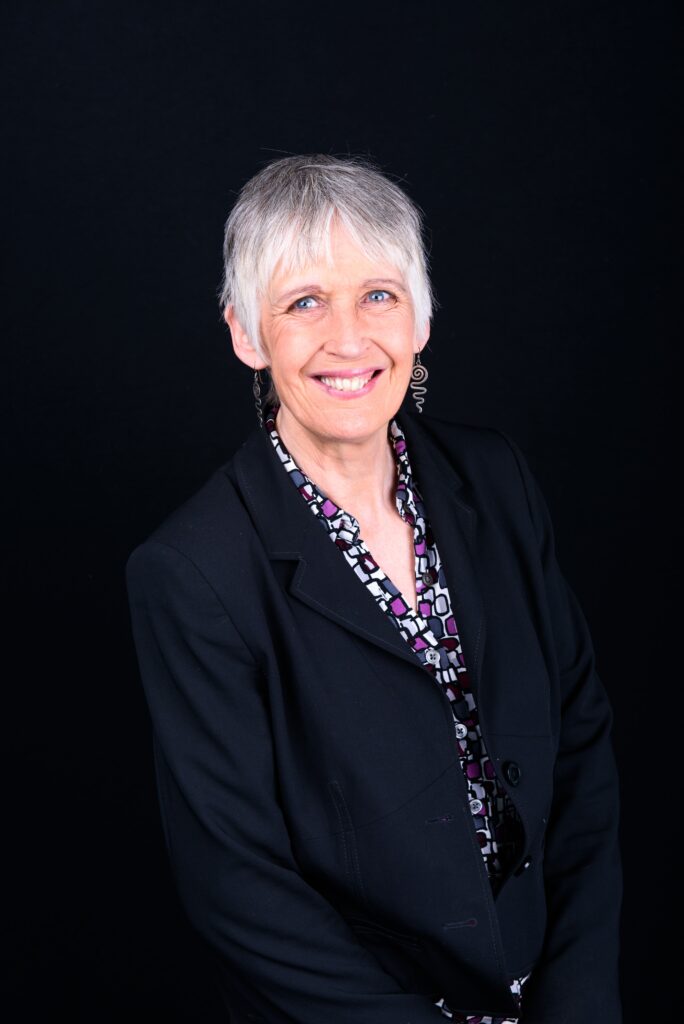

Pietro (Pete) Iannetta
Prof. Pietro (Pete) Iannetta is a Research Leader at the James Hutton Institute; and Senior Scientist at the Centro de Biotecnologia e Quimica Fina, Universidade Católica Portuguesa, Porto (Portugal).
Pete’s research activities are focused on the multi-functionality of legumes due to their potential to simultaneously address the challenges of the climate change-biodiversity-nutrition nexus.