
The NCS Project –
Year 1 Overview
Year 1 Overview
NCS Road Trip: Celebrating 1 Year of NCS Project Success! Give our latest video a watch on as we embark on an exciting road trip to visit some of the passionate individuals driving the NCS Project forward! In this special video, we journey across the country to meet with some of the NCS team and discuss the remarkable progress made over the past year.
Join PulsePEP by clicking here to stay updated around project milestones or if you would like to get paid to be an on-farm trialist within this project, register interest to become a Pulse Pioneer by clicking here.
BOFIN
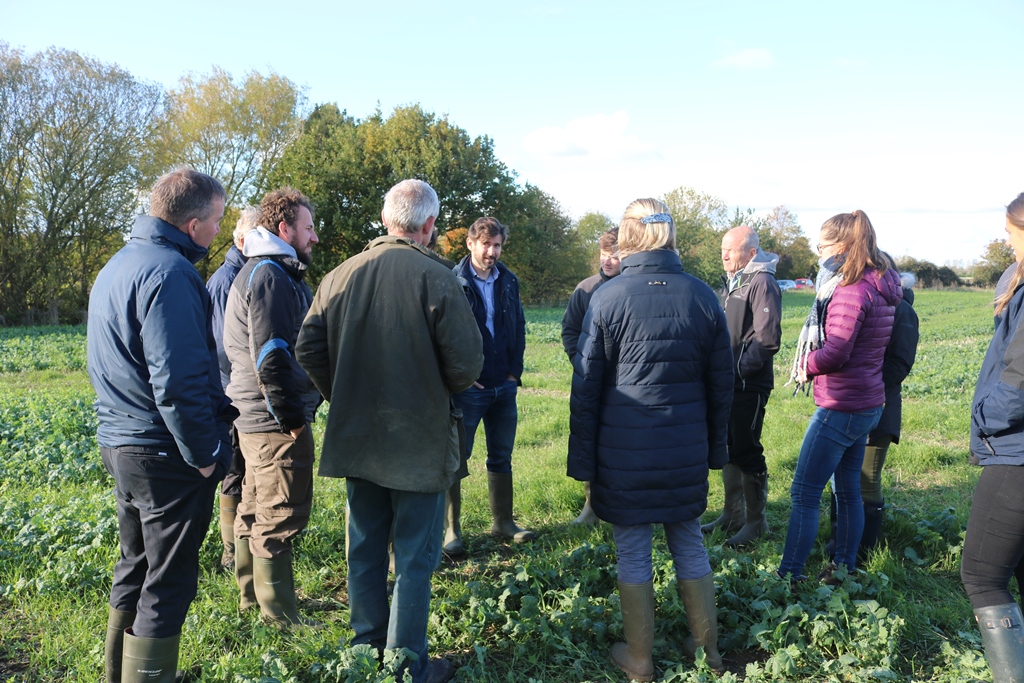
Within Year 1, BOFIN have been working hard to promote the NCS project and increase the PulsePEP membership, which is currently at 338. They have also had a focus on recruiting Pulse Pioneers whilst ensuring they feel supported to complete the on-farm trials for the NCS Project.
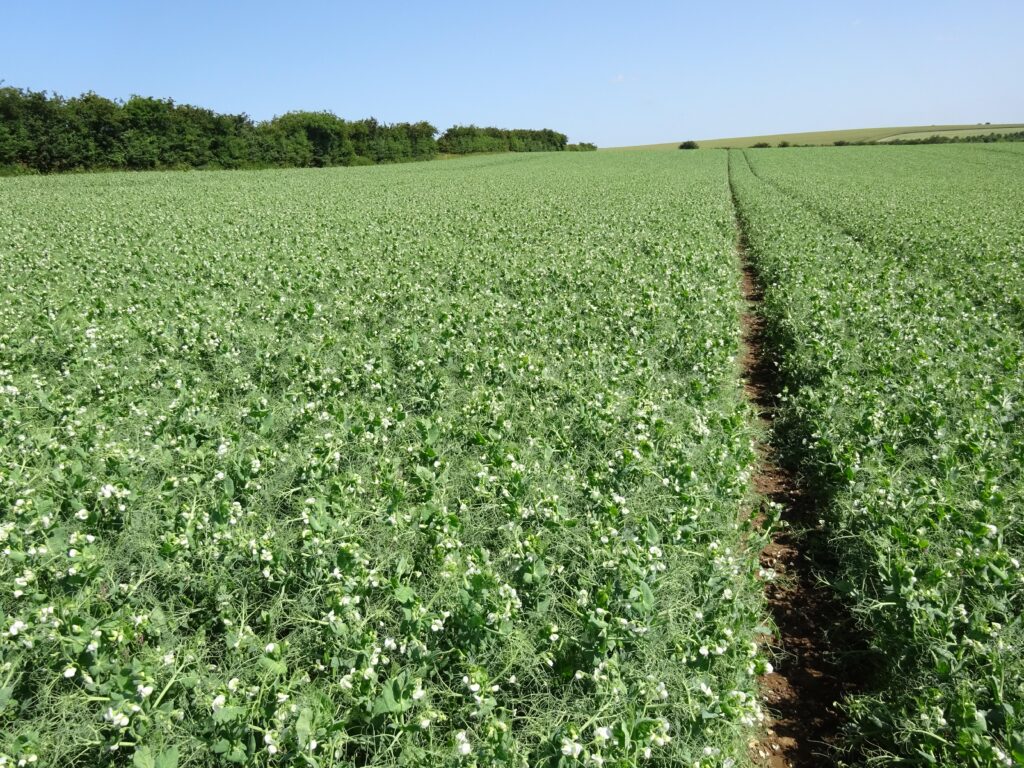
Each farmer is delivering a trial unique to their farm however they are consistently trialling the impact of pulses within the rotation. The trial is providing an opportunity for farmers to creatively add either a trial of a product, over sowing of clover, or intercropping with a cereal as a comparison. BOFIN are continuing to support the farmers with their n-min and soil analysis sampling whilst also aiding with any queries the Pulse Pioneers have in relation to getting their trials underway. BOFIN have continued to promote the Farm carbon toolkit both directly to the Pulse Pioneers and to the Pulse PEP mailing list.
Cranfield University
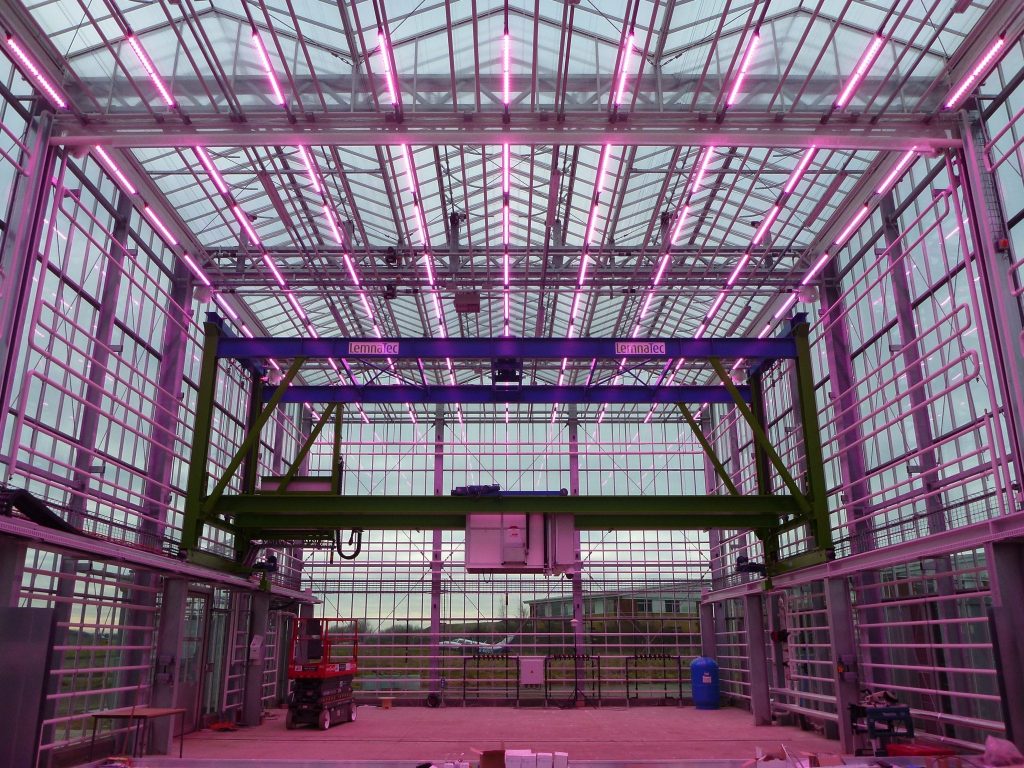
“Cranfield University has been determining the research gaps relating to the rotational benefits of legumes on greenhouse gas emissions, nitrogen usage and soil health,” says Emily Guest, who is leading the university’s experimental work. “We have been using these findings to plan an experiment in the CHAP glasshouse at Cranfield which was set to start in April 2024, with the view to compliment and add more in-depth information to the NCS field trials.”
ADAS
“ADAS has analysed the Bean and Pea Yield Enhancement Network database to identify which crop management, soil and weather factors are most strongly associated with high pea and bean yields, and to derive messages that support good practice in pulse production,” shares Dr Thomas Wilkinson, Senior Research Consultant at ADAS. “We also opened the Bean and Pea Yield Enhancement Network to new farmer entries for the 2024 harvest year, developed the PulsePEP web platform and looked at cropping information across scales to understand the scope for increasing the frequency with which pulse crops can be grown in the UK without exceeding the commonly grown maximum rotational frequency of one year in five.”

First Milk
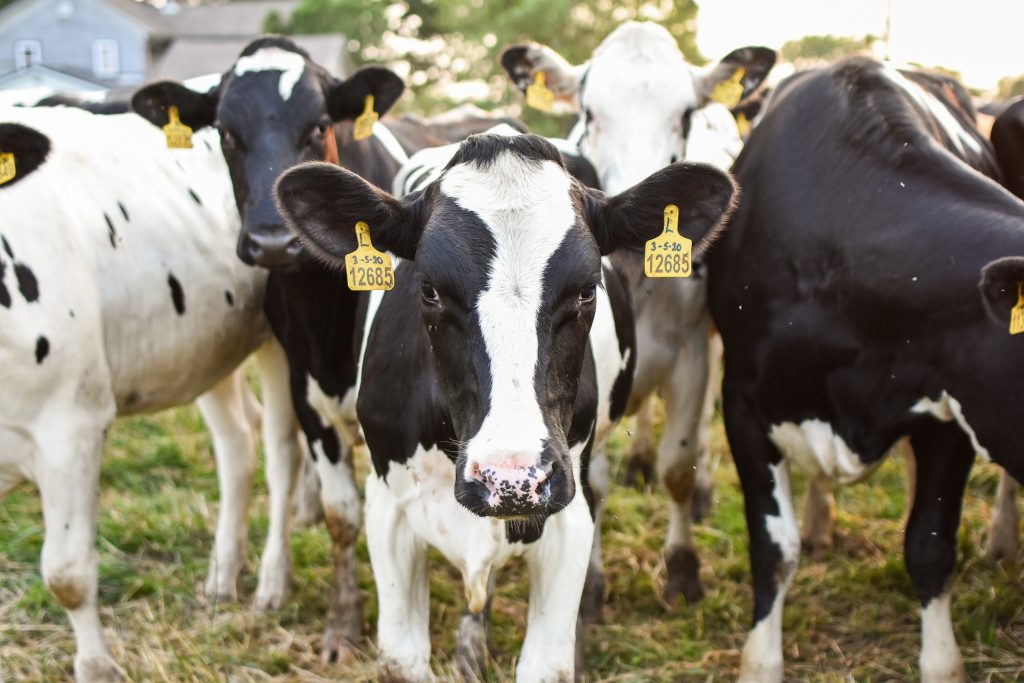
“First Milk has recruited the services of an experienced nutrition expert to provide us with expert advice,” says Roger Briddock, Regenerative Programme Manager. “We’ve carried out two on-farm site visits with our expert to ascertain feeding strategies, current rations (high group, main herd and dry cows) and risk factors, such as inclusion rates to maintain nutritional need. Our nutrition expert has also analysed the feeds from on farm sampling and has formulated a ration and inclusion for an initial two-farm trial for spring 2024. Beans are currently being sourced via existing feed suppliers for this initial trial to feed for one month pre-turnout. Longer term beans will be sourced via John McArthur for autumn 24 trials on a wider group of First Milk farms.”
Kelvin Cave
“Detailed wet chemistry analysis of wholecrop beans, peas and beans and beans and oats has been carried out eight farms, so far highlighting the inaccuracy of NIRS analysis for this type of crop which needs to be addressed to allow nutritionally balanced and cost-effective ration formulation,” says Michael Carpenter, Technical Director at Kelvin Cave Ltd. “Three detailed fermentation and dry matter loss studies using a range of additives and preservatives are currently being undertaken by Dr Dave Davies. One each of wholecrop pea/bean mix, wholecrop beans and crimped pea/bean mix. Observational harvest efficiency work comparing forager headers undertaken to develop protocol for full trial next year showed significant differences in field losses, fuel use and field compaction. Planning is underway for a full trial looking at a wider range of harvesting equipment this harvest.”


Agrii
“Agrii began field trials with winter wheat to assess the effect of nitrogen fixing from the previous legume crop and to assess different rates and timings of nitrogen applied to the wheat,” says Lucy Cottingham, UK Digital Agronomy Development Manager at Agrii. “We’ve also begun drilling blocks of different pulse and legume species to monitor nitrogen fixing through the growing season, and begun assessment of satellite imagery of cereals following pulses and oilseed rape to view biomass differences from a nitrogen fixing crop versus a non-nitrogen fixing crop.”
LEAF
“As our role is predominately farmer recruitment, our marketing team has done an amazing job of producing up to date content to ensure we have a large outreach across our farmer network. Many of our LEAF Network and members have signed up to the project so far,” says LEAF’s Olivia McDonagh. “The LEAF marketing team has produced newsletters, social media content and regular updates on the project, which have been shared across all our platforms.”
James Hutton Institute
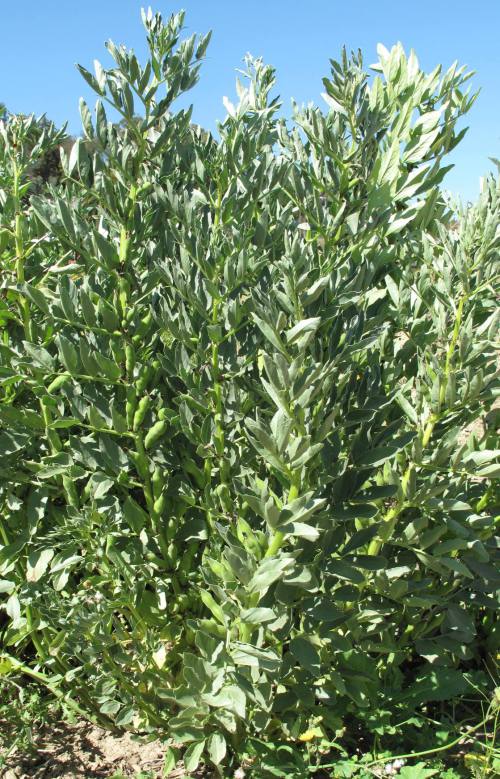
“We entered another year of data recording at the Centre for Sustainable Cropping (CSC), a long-term platform which now entering its 15th year,” says Pietro Iannetta, Agroecologist at the James Hutton Institute. “This will include greenhouse gas and soil-nitrogen monitoring of spring beans, and of the following spring barley crop too. Data collection of this two-crop sequence, will be repeated over the next three years. The data acquired from the CSC informs the development of life cycle assessment of field faba-based crop rotations. First results are currently being complied into another manuscript for publication after science-peer review. This explores the impacts of [beans to non-legume crop] sequences for conventionally cultivated crops. Parallel trials funded by other sponsors, and which supports the NCS Project activities, have also been undertaken. These include intercropping trials to optimise yield and nutritional provision per hectare. A PhD project has been developed jointly by PGRO, Cranfield University and JHI; an able student is currently being sought. A first science peer-reviewed paper regarding the phytochemical diversity offered field beans has been published acknowledging the NCS project.”
LC Beef Nutrition
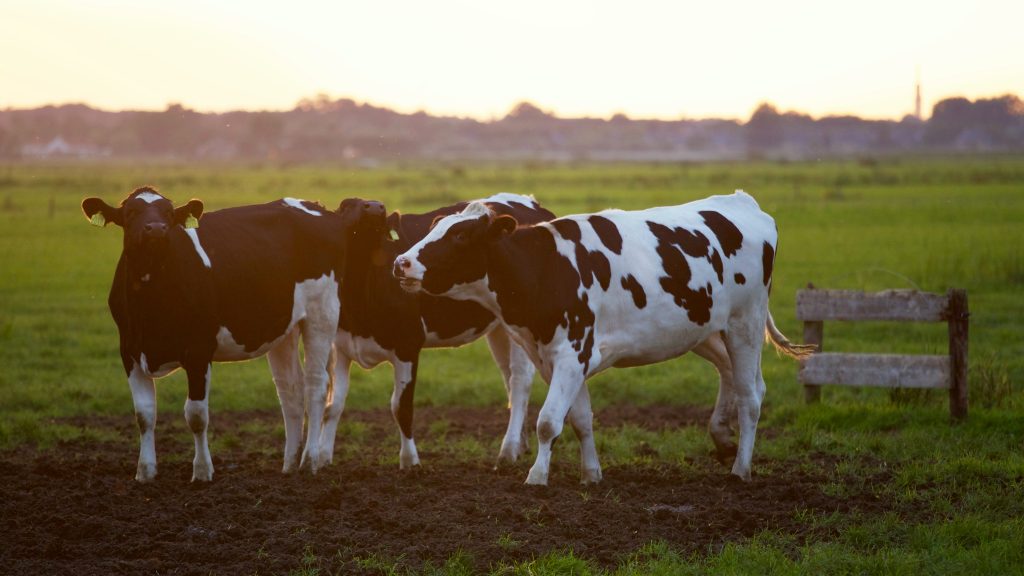
Lizz Clarke at LC Beef Nutrition said: “Beef trials have been taking place on three units. At trial unit one we are looking at dry rolled beans versus rapeseed meal on Belgian Blue finisher cattle. At a second site we are trialling proflaked beans against rapseed meal on Wagyu and Angus store cattle and finishers. A third unit is looking at dry rolled beans againstwheat distillers on Wagyu growing cattle.” Lizz adds that further sites are being planned to look at feeding wholecrop beans and their place in the diet.
AB Agri
With soya being one of the biggest contributors to the overall carbon footprint of pig and poultry diets, reducing reliance on this imported protein in feeds is a key priority area for ABN, with significant research being undertaken into potential alternative proteins, both as part of the NCS Project but also independently.
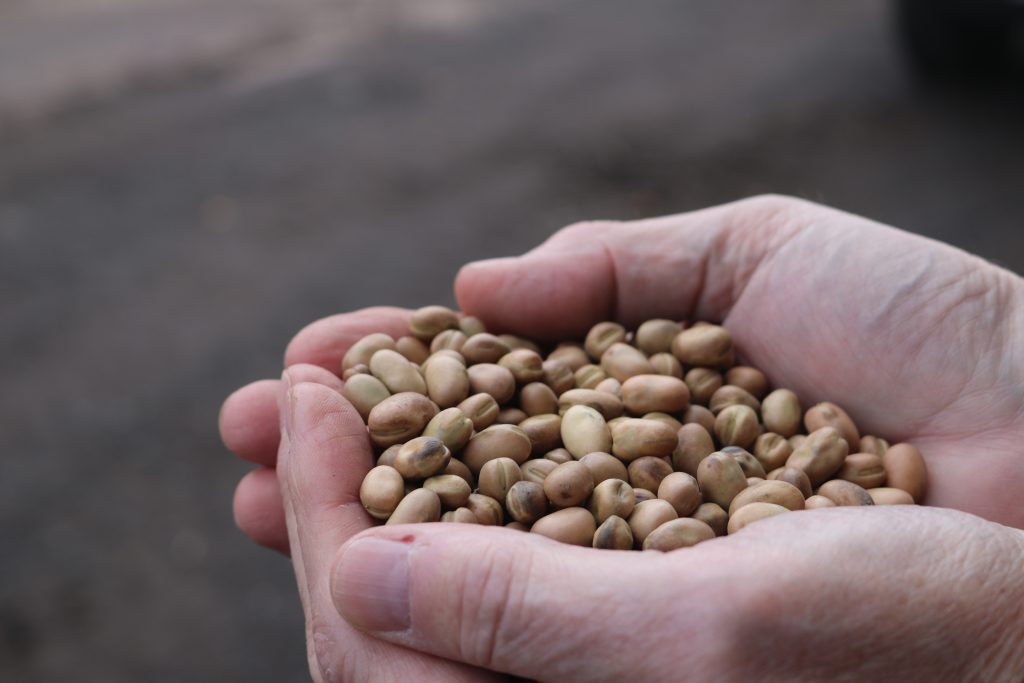
“As part of the NCS Project, we have been working on a series of commercial scale trialswith ABN customers, covering broiler and layer feeding in poultry using raw field beans, alongside sets of finishing and weaning pig trials utilising pre-processed pulse rape blends,” explains Brian Kenyon, ABN’s senior poultry nutritionist.
“As part of this research, we are building a database on pulse analysis, and a dataset of feed production parameters. Our early animal performance results are promising in most areas, but the next stage is to further look into the need to apply pre-treatments to counter anti-nutritional factors, and to also consider the right variety of pulse to optimise performance.”
SRUC
During the first year of the NCS project, SRUC focused on gathering literature on faba bean use in farmed animals and in partnership with McArthur Agriculture undertook toasting experiments aiming to improve nutritional value of faba beans. Nearly 200 references spanning both ruminant (dairy, beef, sheep) and monogastric species (pigs, broilers, layers, turkeys) were obtained to extract so-called safe inclusion levels (where key performance indicators are not negatively affected).
In summary, for whole, unprocessed faba beans these safe inclusion levels seem to range from 10% in laying hens, to 15% in grower/finisher broilers, to 30% in fattening turkeys, heifers and growing/finishing pigs, and to 50% in fattening lambs, bull beef and dairy cows. Though there is always variability in such outcomes, a general picture thus emerges from these mostly academic studies that there is considerable potential to include whole, unprocessed faba beans in farmed animals’ rations without negatively impacting key performance indicators. Although most studies are not done in the UK, this shows great potential to feed more faba beans across animal species and informs project wide trial work to demonstrate this under UK conditions.
