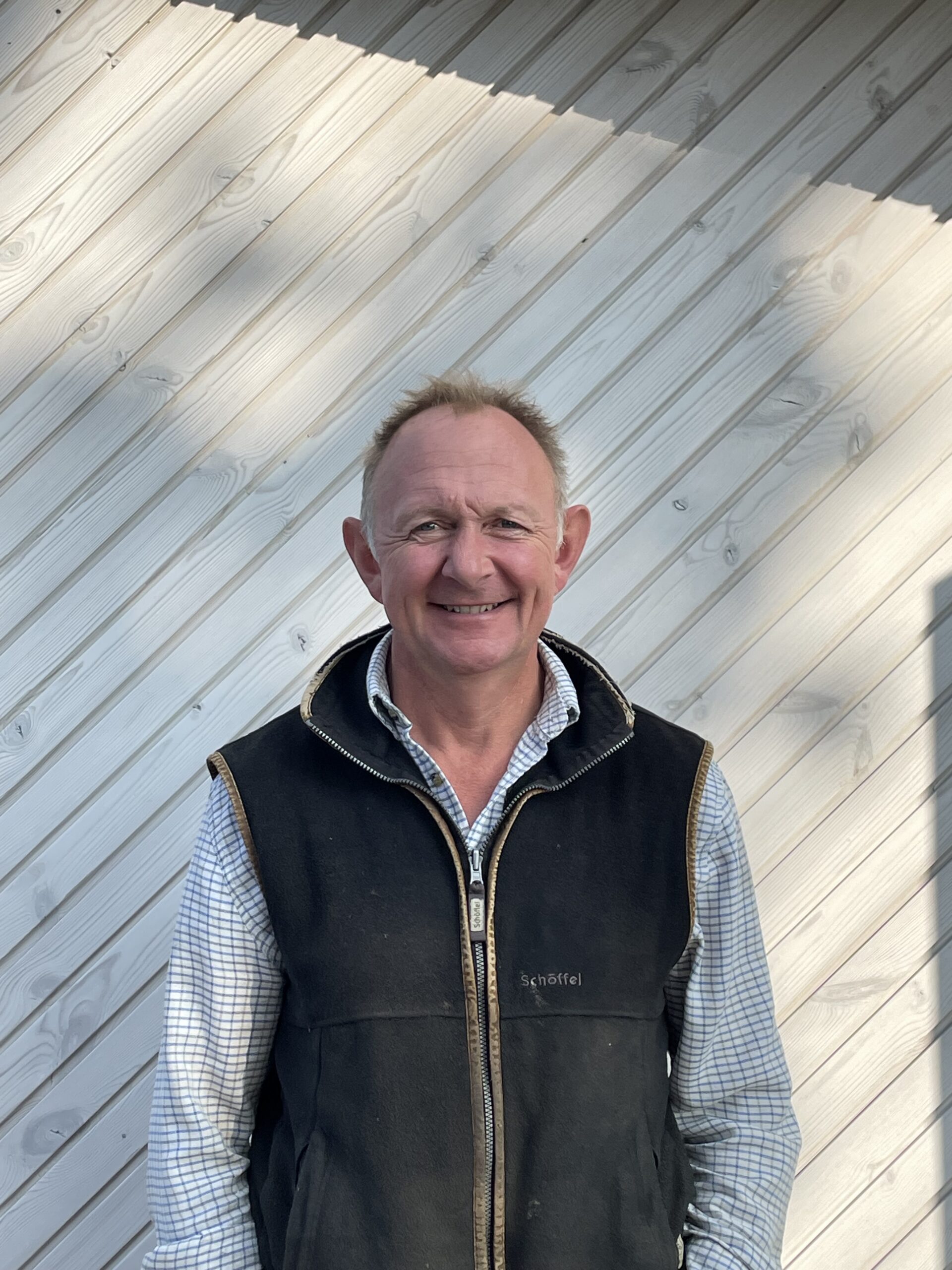
We farm 800ha in Northamptonshire, predominantly on Boxworth series chalky boulder clay, specialising in high value seed production along side environmental excellence and have been interested in crop trials for years. Our farm has hosted seed, fertiliser and spray trials for multiple organisations not to mention environmental and soil trial too. It keeps us interested and brings us into contact with the best scientists and plant breeders which drives our business forward.
The NCS Project fits perfectly into our business as we hope that our well-looked after soils grow healthy and profitable crops, and being a Pulse Pioneer is a great way to test this.
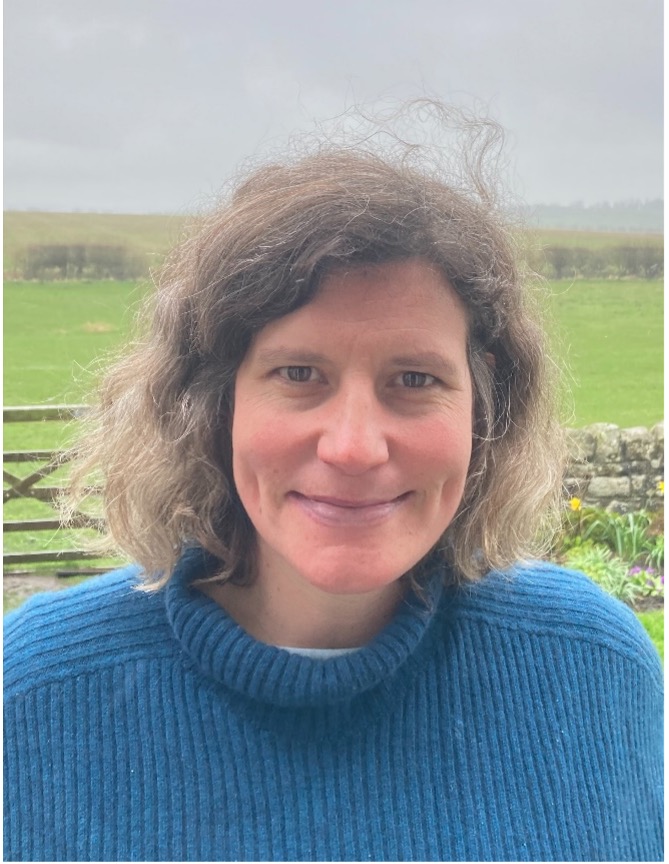
Anna Pearce
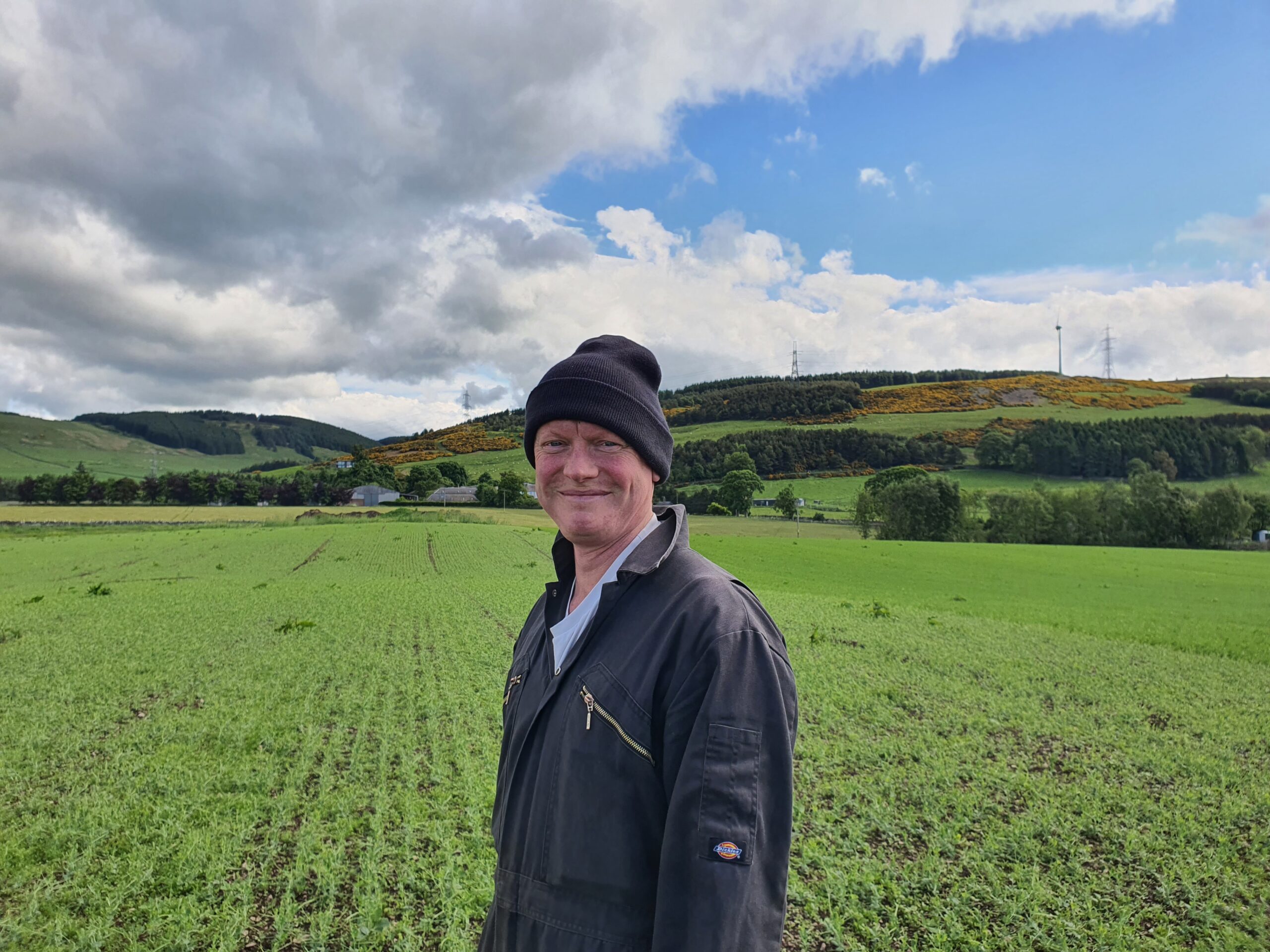
Hello, I am Anna Pearce. I organically farm 280 hectares of arable land in North Northumberland. We grow wheat, barley, oats, beans & clover. As a seed merchant, Smales Organic Seeds. we process a lot of our crops to sell as seed.
We rent out the clover leys to a local sheep farmer. I was involved in both the Root Rangers & Pulse Pioneers projects last year. I am looking forward to being involved this year again. Through the Pulse Pioneer project in year 1 it was interesting to take the time to do a carbon audit & analyse our business. Also, by submitting YEN data for both our biostimulant treated & untreated winter beans, I have seen differences in nutrient off take in the seed that I would never have seen before. In year 2, I am trialling two seed treatments. It will be interesting to compare them in beans. I also have a strip of winter oats, to quantify how much Nitrogen the beans leave for the following crop!
John Seed
I’m John Seed, co-founder of the Woodend Farming Partnership located near Duns, Berwickshire. Our 214-hectare farm produces wheat, barley, beans, oats, and free-range eggs. As a family farm, sustainability and resilience are paramount to us. We actively engage in on-farm trials to innovate and improve our practices. Our commitment to regenerative agriculture and renewable energy aligns perfectly with the goals of the NCS project. Climate change poses challenges to farms like ours, and by participating in initiatives like this, we aim to enhance our resilience and contribute to a more sustainable agricultural future.
Paul Barnes
Paul Barnes, Estate Manager – I have been farming organically in Lincolnshire for the last 20 years, growing a wide range of edible and combinable crops. My passion for organic farming stems right back to my childhood on the family farm where one of grandfather’s statements forms part of my everyday decisions which is “look after the soil and it will look after you”. Cropping rotations, cultivation methods, integrating livestock are all key to the diverse system we are currently operating here at South Ormsby Estate. Having entered previous bean crops in the ADAS BeanYen project, I feel that joining the NCS project will add to the information capture the project and the group of pioneers will offer along with my organic perspective.
Rob Waterston
Rob is the farm manager for the Welford Estate Partnership, near Newbury in West Berkshire. An integrated farming system working together with the environment and the biodiversity it supports has been implemented. The primary goal is to develop a sustainable and viable farming operation post BPS, and is looking to develop a carbon neutral operation, improve water quality and efficiency, prevent soil erosion and reduce the farms reliance on pesticides and inorganic fertiliser.
Welford has a love hate relationship with winter beans in terms of reliability and profitability, but recognise the advantages in terms of the soil health benefits, and weed control options in the battle with blackgrass on the farm Over the years trials have been conducted on the cereal and oilseed rape crops, but nothing with beans. The opportunity of being involved with this project might start to unlock the potential of bean production in the UK.
Tim May
We organically farm 2500 acres in North Hampshire, applying a holistic management and enterprise stacking approach. We currently grow organic crops including linseed, gluten-free oats and heritage wheats/grain varieties and look to include beans as an intercrop amongst the cereals.
On the estate we have 480 New Zealand crossbreed dairy cows and a mobile milking parlour, integrated into the arable land through temporary herbal leys. As an organic farm we are interested in naturally occurring soil nutrition and see legumes as a pivotal part of this puzzle. Anything we can do to improve the reliability and knowledge around legume crops is very welcomed which is why we are keen to support this project.
Tom Allen-Stevens
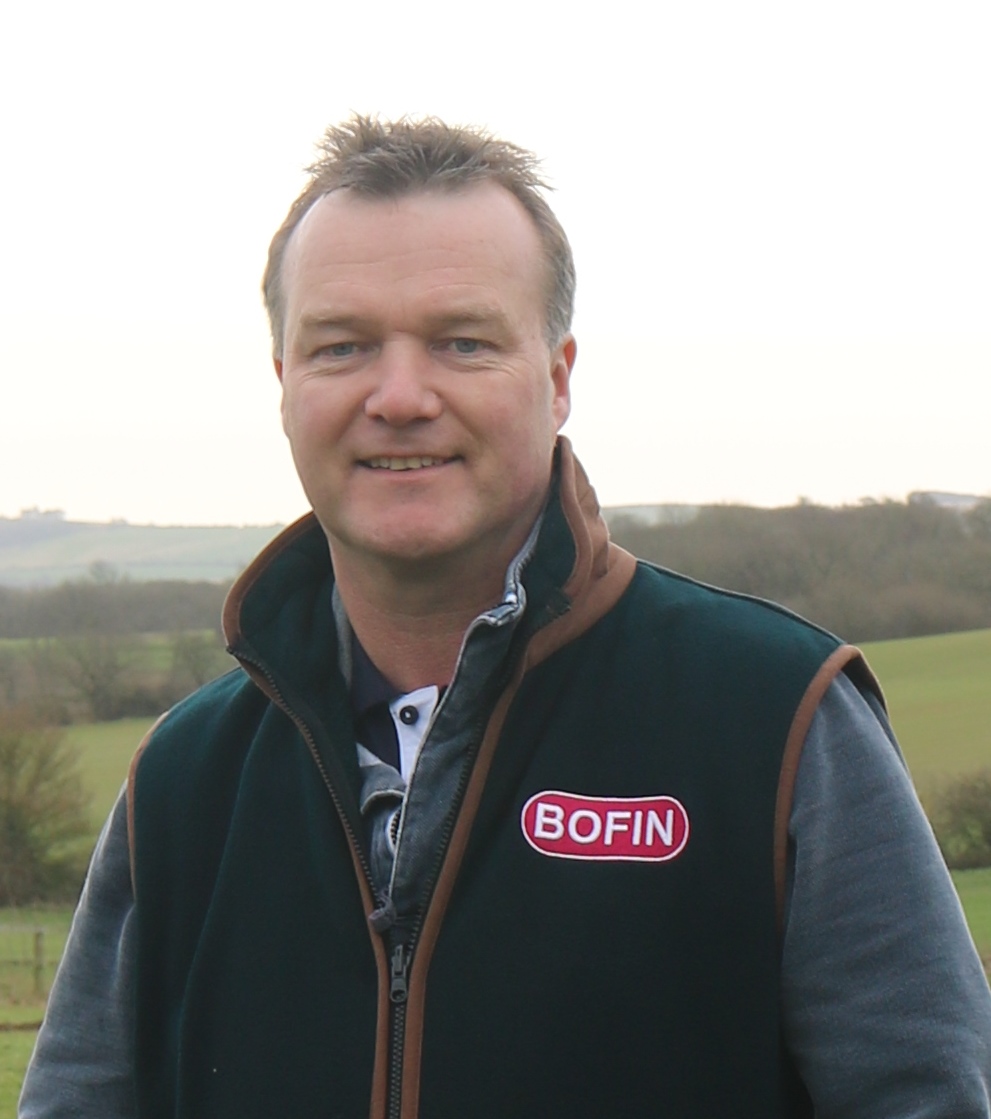
I’m Tom Allen-Stevens, arable farmer in Oxfordshire as well as founder of BOFIN. Here at Wicklesham we have about 160ha of which around a third is in Stewardship. Excluding non-cropped land, that leaves around 80ha of arable crops on soils that vary from light sand through to Denchworth clay, with reams of brash across several fields – quite a challenge!
Blackgrass is our biggest challenge, however – we have some of the most resistant populations in the UK – and that drives the rotation. We’re using stewardship options (AB15, GS4 and NUM3) to take the worst fields out of production and build soil health. The rest were moving to block-cropping with a rotation loosely built around two wheats, triticale and a break crop. We’ve given up on oilseed rape.
We’ve had mixed results from beans in the past and I remain to be convinced that the crop will provide the break we need. We’d hoped to put all 80ha into beans this year, but have only managed to establish 33ha. It’ll be interesting to see how it stacks up against NUM3. That’s one of the things I’m hoping we’ll learn as Pulse Pioneers.
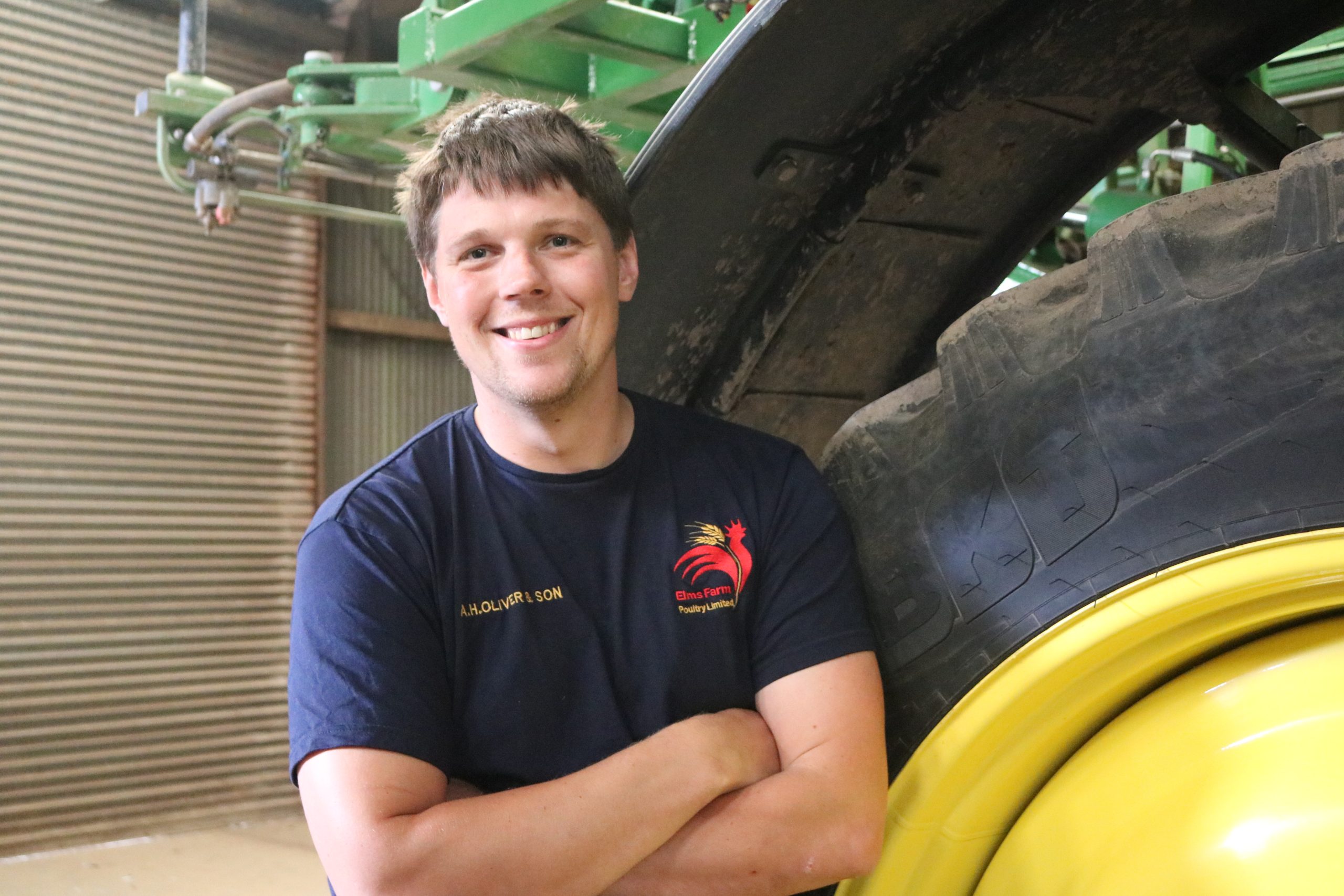
Will Oliver
Will Oliver – Will is an Arable and Poultry farmer from Leicestershire/Warwickshire border. He is passionate about soil health, and producing arable crops on his farm. Main crops currently consist of Winter Wheat, Grain Maize and Winter Beans. All play an important role in the rotation, but with Grain Maize and Beans still being relatively niche crops, there’s a lot to learn. Being part of Pulse Pioneers, is a perfect platform to begin on farm research and be able to share our findings.
Will is BASIS and FACTS qualified and carries out his agronomy in house. Will believes beans play an important role in his rotation, as a soil conditioner and the opportunity to get a decent winter wheat in. Will utilised manures when producing wheat and maize, and the nutrients provided from these manures, leave the ground in good conditions for beans not to need any bagged fertiliser.
Diarmid Baird
Scotston Farm, located in Auchterhouse near Dundee, has transformed over the years into a model of sustainable and interconnected agriculture. Starting with organic conversion in 1988, the farm now boasts a diverse ecosystem of crops including legumes, grains, and specialty crops like lentils and hemp. Livestock such as Aberdeen Angus cattle, highland cattle, and sheep contribute to the farm’s self-sufficiency, along with a focus on composting for soil health.
Energy needs are met through innovative methods like a woodchip gasifier, a wind turbine, with plans for more renewable energy projects. The farm’s future includes reforesting 400 acres with native woodlands, emphasizing biodiversity and climate resilience. Their involvement in initiatives like the NCS projects showcases Diarmid’s commitment to continuous learning and environmental stewardship.
Andrew Barr
I farm 750 acs in the middle of Kent from the top of the North Downs down across several soil types including sand, chalk, silt and clay. I stopped ploughing in 2000 and in 2010 moved to mainly direct drilling but have found in my own trials that beans seem to like some cultivation. I have read many articles about how farmers should grow more pulses but they all miss the crucial point of economics and I want to be involved in the project to help find out how to make the numbers stack up.
I am particularly keen on on-farm trials as they are more likely to find practical solutions that can be immediately implemented and communicated to farmers than some more solely academic research.
Andy Meecham
I am a farm manager at St Giles Farms Ltd which is part of the Shaftesbury Estate in Dorset. We farm 1490 ha which 1120 ha are cropped, the rest is woodland and environmental schemes. The soil is mainly chalky loam with a few clay caps. The cropping consists of Winter Wheat, winter Barley, winter Beans, Spring Barley, Spring Naked Oats, and Spring Peas. This is normally 50% winter and 50% spring cropping. Cover crops are used in front of spring crops.
We try and do a few on farm trials each year. We enjoy doing them to see what works or doesn’t work in a practical farming year. I decided to join the NCS project to exchange and gain knowledge on how to improve the growing of our pulses.
Richard Barker
I farm with my parents at North Lingy Moor farm, Richmond, North Yorks. We are a 350-acre mixed farm with main agricultural business being suppliers of Aberdeen Angus X cattle into Dovecote Park and then to Waitrose. Traditionally, we have run a conventional business on 300 acres growing Wheat, Barley and oils seed rape and buying in a large amount of the cattle feed especially the protein, over the last 7 year we have focused and becoming self-sufficient with regards to cattle feed and integrating the cattle into the rotation. Now we grow, wheat, barley, winter oats, Spring beans, Herbal Leys and Next year forage maize and cover crops where we can.
We have been direct drilling for 4 years now following a period of reduced cultivations. Our heavy clay soils are certainly improving with regards to organic matter, texture and generally life within it. The spring beans have been growing for the last 4 years and we have so far always whole cropped them and ensiled them in a silage clamp. Harvesting usually occurs in mid to late September so we have easily been able to drill a following crop of winter wheat. I look forward to taking part in the next years trials and comparing results with others.
Adam Hayward
At Cold Harbour Farm in Bishop Burton East Yorkshire, we are a mixed farming enterprise, and the main focus of the business is arable production.The primary outputs are winter wheat for seed production, spring barley for malting, oilseed rape, beans and vining peas. Our involvement in the NCS project hopefully will bring more beans into our rotation in the future. We also hope to learn how to grow locally produced protein more successfully.
Anna Wylie
I come from a beef and arable family farm near Burntisland, Fife. We farm around 1200 acres and have adopted many regenerative techniques. I studied law and hold a Master’s in International Law of Global Security, Peace and Development, specialising in economics, sustainability and governance. My research focused on water and food security and I wrote my thesis on the commodification of carbon. I returned home this year and am eager to utilise my theoretical knowledge of sustainability to enhance current operations and to diversify the business to secure its sustainable future.
My family have grown beans for many years as feed for our cattle, seeking to shift away for reliance on imported soya, reduce the need for synthetic fertiliser usage and enhance soil structure. We are hoping to grow our cattle numbers and so looking to increase our pulse cropping.
I am looking forward to participating in the NCS project to meet likeminded people seeking to enhance soil resilience and expand my knowledge of the pulse and legumes sector. I am interested understanding and utilising the data collected through this trial so that we can improve our crop’s performance for the future.
Ben Adams
Passionate about removing the family arable farm in Oxfordshire off the input treadmill Ben operates a suite of farm trials each year and has significantly changed the way that the farm operates. Recent trials involve a three year intercropping experiment as part of winning the School of Sustainable Food and Farming and Farmers Guardian net zero challenge. Ben also works as a farming consultant so understands the balance between profitability, regenerative agriculture and getting the most out of schemes and grants.Ben enjoys experimenting and innovation, always looking for something new within farming and to push the boundaries of farming practices. Ben has got involved with the NCS project to look at the role of input reduction using pulses, particularly with intercropping as a method of integrated pest management.
Bryony Graham
We’re a 300ha family-run arable farm in Essex, on heavy Windsor series clay. Traditionally we’ve always had beans in our rotation, but having had some challenging establishment conditions over the past few years (and yields to match!) we have moved towards an extended rotation using environmental schemes as a break from cereals instead.
We are committed to playing our part in demonstrating that agriculture can be a sustainable, environmentally sensitive industry, and that food production and protecting the environment are not mutually exclusive. For example, we grow 20ha of short rotation coppice (willow) as a renewable energy source for our onsite biomass boiler, and are keen to look for ways to reduce the amount of inorganic nitrogen we apply (such as growing legumes) to continue to make our business as sustainable as possible, and our footprint as small as possible. We’d really like to bring pulses back into our rotation, and are keen to see the data on how doing so impacts both the soil and the quality of our crops.
Matt Duggan
I am a fifth-generation farmer based in North Herefordshire, working alongside my dad on our mixed beef and sheep farm. Our regenerative journey began five years ago, with the aim to explore the advantages of lower establishment costs and reduced labour.
We initially adopted regenerative practices with these efficiencies in mind but quickly came to appreciate the environmental benefits, including a reduced carbon footprint and improved carbon capture methods. More recently, we have been exploring intercropping within our rotation, particularly the potential nutritional benefits that pulses may offer to cereal crops. This is especially relevant to our system, as we use our homegrown grain to feed our livestock.We are eager to understand whether our regenerative approach not only enhances soil and crop health but also carries through to the quality of the end product.
Nick Down
Nick is the farms manager at Yattendon Estates in West Berkshire. The farm operates a diverse cropping rotation alongside a large scale countryside stewardship agreement, focusing on building natural resilience and enhancing biodiversity. Soils are predominantly clay and flint with impeded drainage so our focus is on reducing exposure to weather extremes, while maintaining output and profitability post BPS.
Cropping is based on milling wheats with both winter and spring barley grown as a second cereal Break crops are varied and include osr, spring oats, peas and beans. Legume fallows and herbal leys have featured over the last few years as part of the CSS agreement. Being part of the project will allow us to understand how we can strike the balance of these actions alongside our more conventional break crops. The estate has always carried out both small plot and field scale trials and this will be the first time the focus has been on pulses. Winter beans have performed well in the past, but there is still plenty of scope to push this further.



 The NCS Project